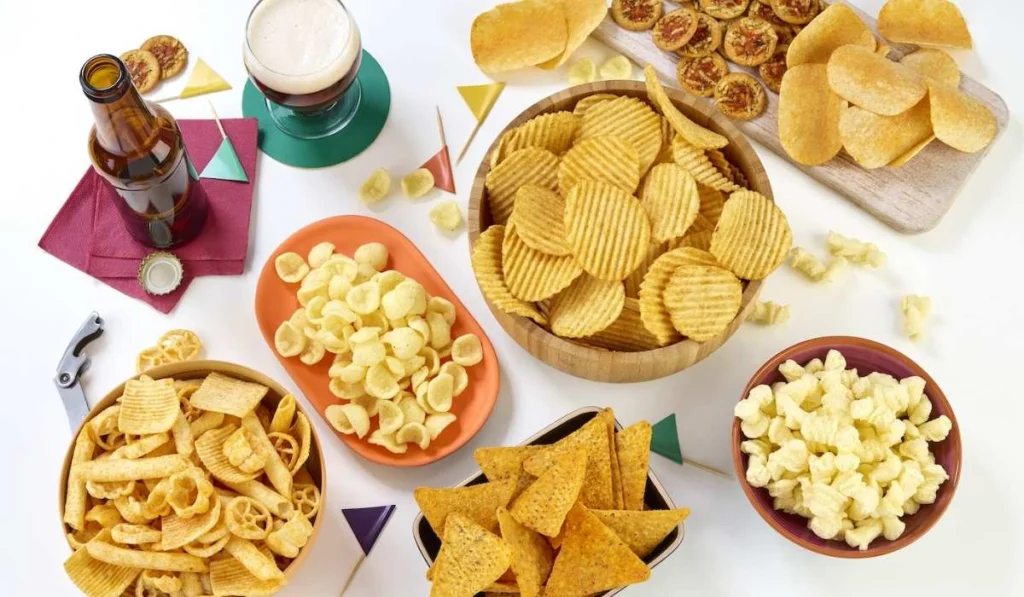
In recent years, food has moved far beyond just taste. Online food trends fhthopefood show how people discover, cook, and share meals in ways that were unimaginable a decade ago. These trends aren’t just about recipes; they reflect culture, lifestyle, health awareness, and even sustainability. For example, you might notice certain foods blowing up on TikTok or Instagram, inspiring millions to recreate them at home.
What makes online food trends fhthopefood special is their speed and reach. A simple recipe shared by one content creator can go viral overnight, influencing kitchens across the globe. This is different from traditional food trends, which often took months or years to gain traction.
Table of Contents
What Are Online Food Trends FHThopefood?
Online food trends fhthopefood are patterns and ideas in food that gain attention online. They often appear first on TikTok, Instagram, or food blogs before becoming mainstream. These trends can involve:
- Ingredients (like jackfruit or oat milk).
- Cooking methods (air frying, fermentation, sous-vide at home).
- Meal types (comfort food with a twist, visually striking desserts).
Unlike traditional trends, which relied on magazines or TV, online food trends are instant and interactive. They allow viewers to try recipes immediately, comment, share, and even modify them.
The “FHThopefood” tag is used by certain food platforms to track and report these trends, offering insights on what’s currently popular, healthy, or sustainable in home kitchens.
Top Online Food Trends FHThopefood Right Now
Food trends online are constantly changing, but a few have dominated 2026:
- Plant-Based & Plant-First Meals
Plant-based eating continues to rise, with trends highlighting legumes, tofu, tempeh, and creative vegetable dishes. Social media shares visually appealing dishes like rainbow Buddha bowls or vegan desserts. - Sustainable & Zero-Waste Cooking
Eco-conscious cooking is a major focus. People use leftover ingredients, upcycled food, and compostable meal prep techniques. This trend combines environmental care with creativity in the kitchen. - Global Fusion Flavors
Online audiences love cross-cultural dishes, such as Korean tacos, Japanese-inspired pasta, or Indian-style pizzas. Sharing these globally inspired meals encourages experimentation. - Comfort Foods With a Twist
People crave familiar flavors but with new touches. Examples include mac and cheese with spicy sauces, gourmet grilled cheese, or elevated homemade pastries. - Quick & Shareable Recipes
Easy recipes that can be photographed, filmed, or shared online are highly popular. Short prep time meals like one-pot pastas or air fryer snacks dominate feeds.
Why Online Food Trends FHThopefood Influence Home Cooking
Online trends impact how we cook at home more than ever. They:
- Shape meal planning: People plan weekly meals around viral recipes or trending ingredients.
- Encourage healthier eating: Many trends promote plant-based, high-protein, or low-sugar options.
- Inspire creativity: Social media challenges or recipe twists motivate home cooks to try new techniques.
- Promote sharing culture: People love to post photos or videos of their creations, reinforcing trends further.
A recent survey found 73% of home cooks tried a viral online recipe in the past year, showing how strong this influence has become.
Social Media Food Trends vs Traditional Trends
Traditional food trends were slower, often shaped by magazines, TV chefs, or restaurant menus. Online food trends spread faster, globally, and interactively.
- Viral Recipes: TikTok or Instagram videos create massive visibility in hours.
- Algorithm Impact: Trends can skyrocket because of platform recommendations, not only taste or popularity.
- Longevity: Some online trends fade quickly (like whipped coffee) while others persist (like air fryer meals).
The main difference is speed and direct audience engagement, which allows creators and viewers to shape trends together.
How to Track and Join Online Food Trends FHThopefood
To stay updated with online food trends fhthopefood, try these methods:
- Use Trend Tools: Google Trends, TikTok analytics, Instagram hashtags.
- Follow Experts & Creators: Food bloggers, recipe developers, and culinary influencers often spot trends first.
- Participate in Challenges: Recreating trending dishes or techniques helps you engage with the community.
- Experiment at Home: Test trending recipes, adapt flavors, and document your results.
Tracking trends not only keeps you updated but also inspires new recipes, menus, or blog content.
Pros and Cons of Following Online Food Trends FHThopefood
Pros
- Inspiration for meals
- Exposure to global flavors
- Learning new cooking skills
- Staying relevant if you run a food blog or business
Cons
- Can be time-consuming
- Not all trends are healthy
- Fads may fade quickly, wasting ingredients
Tip: Focus on trends that fit your taste, health goals, and kitchen resources, rather than chasing every viral idea.
The Future of Online Food Trends FHThopefood
Food trends will continue to evolve with technology, sustainability, and health awareness. Some expected developments:
- AI-Driven Recipes: Personalized suggestions based on preferences, dietary needs, and trending flavors.
- Eco-Conscious Cooking: Continued emphasis on low-waste and sustainable ingredients.
- Health-Focused Foods: Functional foods like fermented products, plant-based proteins, and gut-friendly meals.
The next big trend could combine visual appeal, convenience, and health benefits—a recipe that’s shareable, easy, and nutritious.
FAQs About Online Food Trends FHThopefood
Q1: What does FHThopefood mean?
FHThopefood is a tag or platform that tracks online food trends, including viral recipes, sustainable meals, and health-focused dishes.
Q2: Are online food trends healthy?
Not all are. Many promote health-conscious options like plant-based meals, but some viral recipes are high in sugar, fat, or calories. It’s best to choose trends that match your dietary needs.
Q3: How can I find trending recipes online?
Platforms like TikTok, Instagram, and Google Trends show popular dishes. Following food bloggers and using hashtags like #fhthopefood or #foodtrends helps.
Q4: Do these trends influence restaurants?
Yes, restaurants often adapt trending dishes to attract customers. Viral ingredients or recipes can inspire seasonal menus.
Q5: How long do online food trends last?
Some last weeks, others months. Fads like whipped coffee fade quickly, while trends like plant-based meals have long-term staying power.
Conclusion
Online food trends fhthopefood are more than just recipes—they reflect lifestyle, culture, and technology. From viral TikTok dishes to plant-based innovations, these trends influence home cooking, social sharing, and even restaurant menus. By understanding, tracking, and experimenting with these trends, anyone can stay inspired, creative, and up-to-date with the evolving world of food in 2026.
Food is no longer just nourishment—it’s expression, connection, and a digital conversation that shapes kitchens worldwide.
Read More: coolkingzone com