When you are building software, bugs are inevitable, and managing them effectively is often a major challenge. Endbugflow software is a specialized tool designed to help teams track, organize, and resolve software issues in a structured way. Unlike spreadsheets or simple trackers, Endbugflow provides a centralized hub where every bug is logged, categorized, and prioritized, allowing teams to work efficiently without losing track of critical problems.
Endbugflow is also highly flexible, fitting into different workflows such as agile, scrum, or traditional development methods. Teams can create custom stages like “New → In Progress → Review → Resolved → Verified” to mirror exactly how their processes operate. It gives full visibility over progress, helping managers and developers understand what’s done, what’s pending, and what needs urgent attention. In short, Endbugflow software turns chaotic bug management into a systematic workflow, making software development smoother and faster.
Core Features That Make Endbugflow Software Effective
One of the main reasons teams adopt Endbugflow is its rich set of features designed to make bug tracking and resolution easier. It offers real-time collaboration, allowing team members to comment, tag, or update bugs instantly. Automated workflows help assign tasks to the right person and prioritize bugs based on severity or urgency, reducing manual coordination and preventing delays.
Endbugflow also includes analytics and reporting dashboards that provide valuable insights, such as the number of unresolved bugs, average resolution times, and areas where issues frequently occur. This data-driven approach allows teams to identify bottlenecks, improve processes, and increase software quality over time. Some of the key features include:
- Centralized bug tracking
- Custom workflows and stages
- Real-time collaboration tools
- Automated notifications and assignment rules
- Data-driven analytics dashboards
A table highlighting key features and their benefits:
| Feature | Benefit |
|---|---|
| Centralized bug tracking | All bugs in one place, reducing missed issues |
| Custom workflows | Matches team processes for better efficiency |
| Real-time collaboration | Faster communication and quicker resolutions |
| Automated assignments | Ensures the right person works on each bug |
| Analytics dashboards | Provides actionable insights for continuous improvement |
How Does Endbugflow Software Work – The Workflow Explained
Project Setup and User Roles
Setting up a project in Endbugflow is straightforward. Teams create workspaces for each project and assign roles such as developers, QA engineers, or project managers. Permissions are customizable, ensuring only authorized users can modify certain bugs or stages, which keeps data secure and processes clear. Notifications can also be set up to alert team members whenever a bug is updated or resolved, keeping everyone in the loop without extra meetings.
This setup ensures that from day one, teams have a clear structure for bug tracking. Everyone knows their responsibilities, and there is less room for errors or miscommunication. By defining roles upfront, Endbugflow ensures a smooth start to bug management for any team size.
Bug Detection and Reporting
Endbugflow makes reporting bugs simple and precise. Bugs can be entered manually with details like a description, screenshots, or steps to reproduce, or automatically captured through integrations with development tools. This ensures that all critical information is stored in one place, allowing developers to act faster.
Automated bug reporting reduces human error, especially for recurring issues or system-generated errors. Teams can track exactly when and where a bug appeared, the severity, and its impact, which helps in prioritizing fixes efficiently.
Intelligent Assignment and Prioritization
Once bugs are logged, Endbugflow uses automation rules and intelligent assignment to allocate tasks to the right team members. Severity levels, workload, and expertise are taken into account, so urgent and critical issues get addressed first. This minimizes delays and ensures high-priority bugs don’t linger unresolved.
Teams can also manually adjust priorities if needed. By having both automated and manual control, Endbugflow balances efficiency with flexibility, making it adaptable to different team dynamics and project sizes.
Tracking, Collaboration & Communication
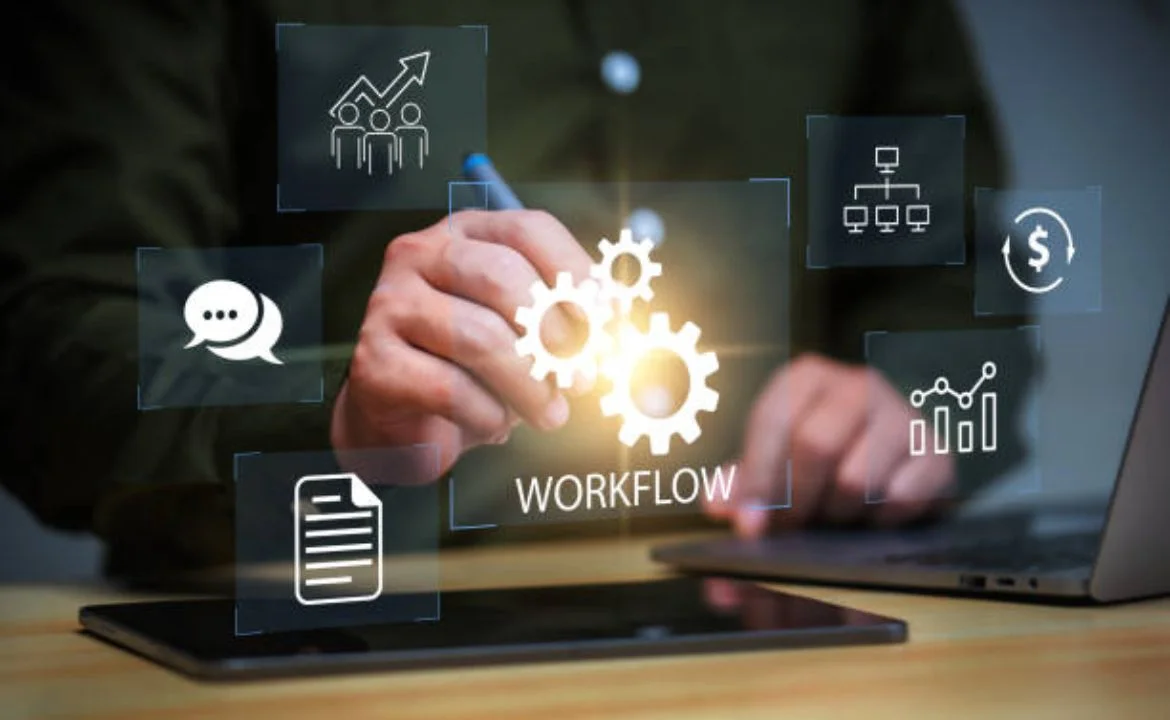
Endbugflow provides a visual workflow that shows each bug’s status as it moves through stages like Open, In Progress, Review, and Resolved. Team members can comment, attach files, tag colleagues, or link bugs to specific commits, creating a transparent and collaborative environment.
The platform also integrates with notifications, so developers are immediately aware of updates. This level of real-time collaboration prevents miscommunication and ensures everyone stays on the same page, boosting productivity.
Verification and Closure
After a bug is fixed, the QA team or project manager verifies the resolution. If the fix passes, the issue is closed; if not, it can be reopened for further work. This step ensures quality control and prevents recurring issues, helping teams maintain high software standards over time.
Integration Capabilities – How Endbugflow Works With Other Tools
Endbugflow doesn’t work in isolation. It integrates seamlessly with version control systems like GitHub, GitLab, and Bitbucket, allowing developers to link bugs directly to commits and pull requests. It also connects with CI/CD tools like Jenkins or GitHub Actions, automating bug creation from failed builds or test results.
Communication tools like Slack or Microsoft Teams can also be integrated, sending notifications to the right channels when bugs are updated or resolved. This interconnected ecosystem allows teams to work in their preferred tools while keeping bug tracking centralized and streamlined.
Benefits of Using Endbugflow Software
Using Endbugflow brings several advantages for software teams. One of the biggest is time savings. By automating bug assignment and prioritization, developers spend less time coordinating and more time actually fixing issues.
Another major benefit is improved collaboration. All team members can see updates, comment, and interact in real-time, reducing confusion and miscommunication. Teams also gain actionable insights through analytics dashboards, helping identify recurring issues, measure team performance, and plan better for future releases. Ultimately, Endbugflow supports higher-quality software and faster delivery.
How Endbugflow Compares to Other Bug Tracking Tools
Compared to spreadsheets, Endbugflow offers structure, automation, and visibility that manual methods lack. Unlike general project management tools, Endbugflow is designed specifically for bug tracking, offering custom stages, analytics, and integrations that PM tools often don’t provide.
When compared to full-featured bug trackers like Jira, Endbugflow shines in simplicity and ease of use, making it ideal for teams that want robust bug tracking without complex setup. While Jira is powerful, Endbugflow provides a balance of automation, analytics, and collaboration without overwhelming new users.
FAQs – Everything People Ask About How Endbugflow Software Works
Q: How does Endbugflow assign bugs?
A: Bugs are assigned automatically based on priority, severity, workload, and expertise, though manual reassignment is also possible.
Q: Can Endbugflow automate notifications?
A: Yes, it sends alerts for updates, status changes, and assignments to ensure teams are always informed.
Q: Does Endbugflow integrate with GitHub or GitLab?
A: Absolutely. It links bugs to commits and pull requests, and can automatically create issues from failed builds.
Q: Is Endbugflow suitable for agile teams?
A: Yes. It supports custom workflows and sprint-based bug tracking, making it ideal for agile environments.
Conclusion – Why Understanding How Endbugflow Software Works Helps Your Team
Understanding how Endbugflow software works allows teams to manage bugs more efficiently, collaborate effectively, and deliver higher-quality software. With features like centralized tracking, intelligent assignment, analytics dashboards, and seamless integrations, Endbugflow transforms bug management from a chaotic process into a structured, productive workflow.
By using Endbugflow, teams not only save time and reduce errors, but also gain insights to improve software quality and development efficiency over time. For any software team struggling with bug chaos, Endbugflow provides a clear, manageable, and collaborative solution.
Read More: bitclassic applewhite